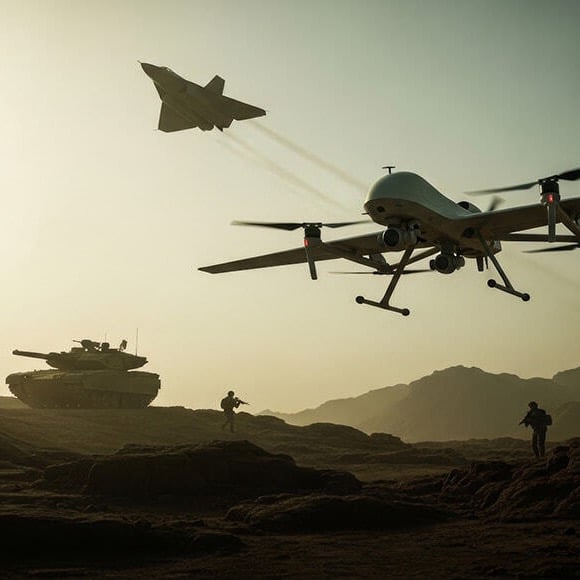
GNSS-assisted INS is the gold standard, but increasingly under attack
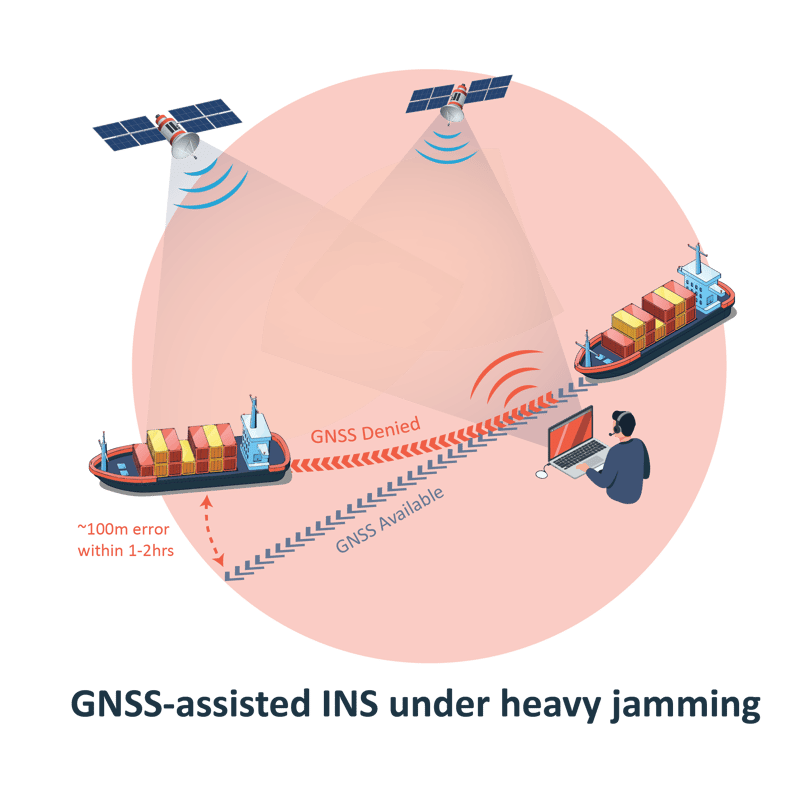
An inertial navigation system (INS) utilising inputs from GNSS and inertial measurement units (IMUs) can deliver this navigation data.
GNSS though is vulnerable to interference and jamming attacks that seek to disrupt, deny or spoof the GNSS service.
Whilst the IMUs can continue providing data for navigation during such attacks, the data is only useful for a short while - without GNSS to periodically correct it, the IMU-derived position will start to drift and quickly become unreliable.
Reinstating GNSS
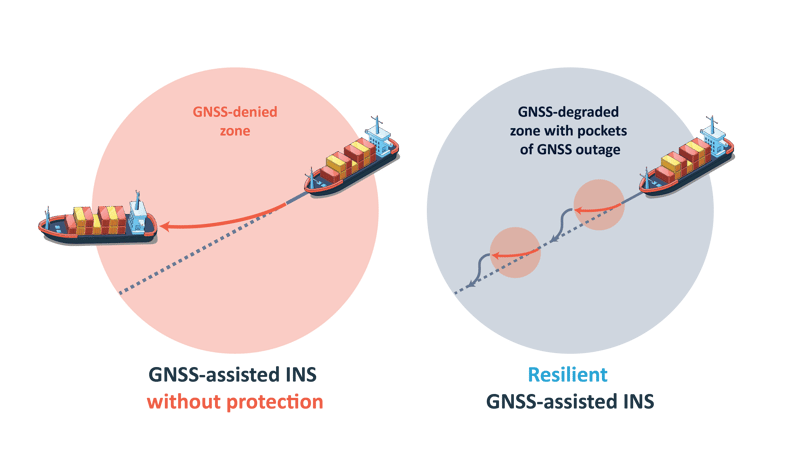
By neutralising the jammers, GNSS service can be reinstated during those periods in which the vehicle/vessel would otherwise experience service denial - in essence, shrinking large zones of GNSS-denial into much smaller pockets of GNSS outage.
The IMU component of the system can then 'plug the gap' during these outages, with GNSS position fixes becoming periodically available for resetting the errors accumulating in the INS.
Helix have taken a different approach
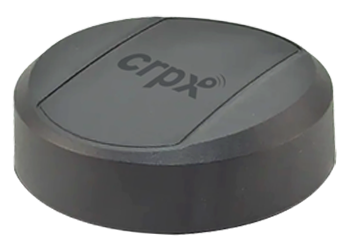
Through optimising antenna array design and innovative RF engineering, Helix have been able to simplify the spatial processing needed in their CRPxTM thereby maintaining phase coherence and GNSS signal linearity.
In doing, Helix have been able to develop a Resilient Navigation System (RNSTM) capable of combatting jamming attacks to deliver robust and accurate navigation data whilst traversing through GNSS-contested environments.
Helix RNSTM key features

Multi-frequency; multi-constellation GNSS
- Dual-band (L1/E1, L2/L5/E5a+b; supports C/A, L2C, P/Y and M-code); SBAS
-
Sharp frequency selectivity tightly tunes to the GNSS bands whilst blocking adjacent band interference (including L-Band sources & Radar)
- Maintains GNSS signal linearity for use with GNSS receiver anti-spoofing algorithms for optimum resiliency

High positional accuracy + military-grade suppression
- High accuracy navigation data (PVT, attitude)
- Fast Time To First Fix (TTFF) in all conditions
-
Comprehensive jamming suppression (>50dB) and non-blocking by design to suppress interference and jamming irrespective of the number of interfering sources

Broad applicability & compatibility
- Navigation data (NEMA 0183) and IMU raw data outputs
-
Compact and low SWaP (size, weight & power) enables usage with small uncrewed surface vehicles (USVs) and similar platforms

Patented UK-sovereign innovation with full UK/EU/NATO supply chain provenance
Trusted by global partners.
Providing military-grade resilient navigation
With the increasing transition in modern warfare to fully autonomous vehicles, drones and marine vessels, navigation systems that provide reliable and accurate position, velocity, timing and attitude data in contested areas have become essential.
Military USVs in particular need a navigation capability that is able to operate reliably over prolonged durations within increasingly complex, contested maritime environments.
Discover more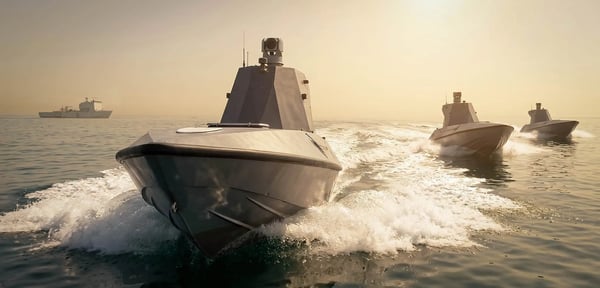
Delivering resilient navigation across a wide range of applications
Maritime
GNSS is critical for navigation in modern maritime operations but increasingly under threat.
Learn more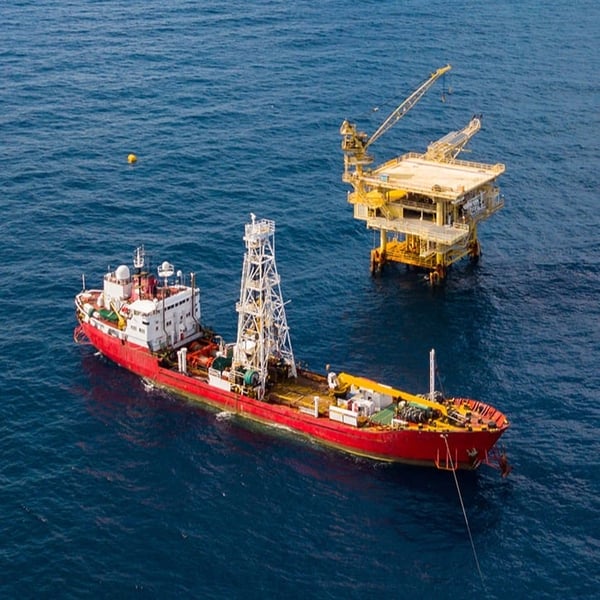
Drones (UAVs)
Resilient navigation in a compact form factor is fundamental to the operation of drones & UAVs.
Learn more
Military UxVs
Unmanned aerial and surface vehicles (UxVs) are revolutionising modern warfare but crucially dependent on resilient navigation.
Learn more